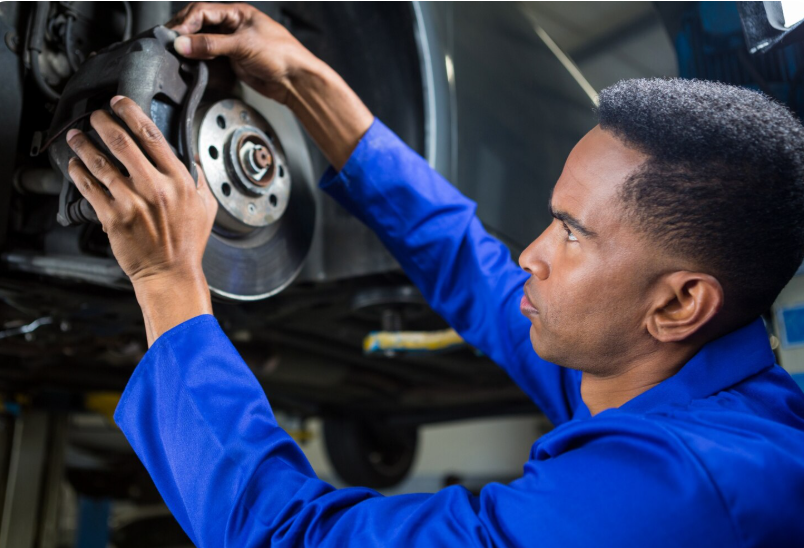
Maintaining a vehicle in peak operational condition requires a combination of regular maintenance, timely inspections, and trusting experienced mechanics who understand the nuances of modern automotive engineering. For drivers navigating daily commutes, seasonal weather changes, and long highway journeys, finding reliable service professionals is essential to ensuring road safety, fuel efficiency, and overall vehicle longevity.
The Essential Role of Preventive Auto Maintenance
Routine vehicle maintenance serves as the foundation of automotive reliability and safety. From regular engine oil changes and transmission fluid flushes to tire rotations, wheel alignments, and belt replacements, staying proactive prevents minor wear from compounding into expensive mechanical failures. Modern automobiles are engineered with sophisticated electrical and mechanical networks that demand specialized diagnostic machinery and skilled technician expertise.
When choosing a service facility, car owners gain the greatest long-term value from repair centers that emphasize thorough multi-point safety inspections. Systematic evaluations allow technicians to detect failing components early—such as brittle radiator hoses, leaking fluids, worn suspension bushings, or uneven tire tread—ensuring drivers maintain complete confidence behind the wheel. For dependable domestic and import vehicle care, visiting a dedicated local facility for auto repair Ledgewood NJ provides vehicle owners with certified technical expertise, transparent estimates, and high-quality workmanship.
Recognizing Critical Brake System Warning Signals
Among all vehicle safety networks, the braking system is unquestionably the most critical for protecting drivers, passengers, and fellow motorists. Hydraulic lines, master cylinders, brake pads, rotors, and calipers function together seamlessly to provide immediate stopping power under diverse driving conditions. Over time, intense friction and operational heat naturally degrade brake components, requiring timely inspection and replacement.
Recognizing early signs of brake system wear is vital to preventing sudden braking failure and costly secondary damage. Key warning signals that demand immediate professional evaluation include:
- High-pitched squealing or metallic grinding: Indicates that brake pads have worn down to their built-in wear indicators or that backing plates are contacting the brake rotor.
- Spongy or low brake pedal response: Signals potential air contamination within hydraulic brake lines, fluid degradation, or a failing master cylinder that weakens pressure.
- Vehicle pulling during deceleration: Suggests a sticking caliper piston or uneven pad wear that disrupts straight line stopping stability and compromises handling control.
- Dashboard brake warning light illumination: Indicates hydraulic pressure drops, low fluid levels, or anti-lock braking system (ABS) sensor faults requiring diagnostic scanning.
- Pedal pulsation or steering wheel chatter: Frequently caused by warped brake rotors that require precision resurfacing or complete component replacement.
Addressing these symptoms without delay ensures your car retains maximum stopping responsiveness during heavy traffic, emergency stops, and wet or icy road conditions.
Computer Diagnostics and Engine Performance Optimization
Contemporary automobiles rely extensively on interconnected electronic control modules to manage fuel injection, ignition timing, turbocharging, and exhaust emissions performance. When an illuminated check engine light or powertrain malfunction indicator appears on your dashboard display, it indicates that internal sensors have recorded an operational anomaly.
Professional repair centers utilize advanced computerized diagnostic scanners that interface directly with your vehicle’s onboard computer. Rather than resorting to costly trial-and-error component swapping, diagnostic testing isolates electrical faults, engine misfires, vacuum leaks, and oxygen sensor failures with high precision. Pairing electronic diagnostics with mechanical troubleshooting ensures repairs are completed accurately, preserving fuel economy and engine durability.
Building a Partnership with a Trusted Local Service Center
Establishing an ongoing service relationship with a trusted local automotive shop offers substantial advantages over quick-lube outlets or impersonal dealership service lanes. Local mechanics develop a comprehensive understanding of your vehicle’s ongoing repair history, driving environment, and preventive maintenance timeline over time.
Furthermore, independent repair facilities focus on building lasting community relationships by emphasizing honest communication, fair pricing, and reliable nationwide warranty coverage on replacement parts. Whether your car requires scheduled oil service, air conditioning repair, steering adjustment, or complete brake overhauls, partnering with experienced automotive technicians guarantees your vehicle remains safe and dependable for every journey.
Read more: Factors to Consider Before Choosing Plastic Thermoforming